
How Is 5G and Edge Computing Changing Real-Time Event Management?

Event management is no longer limited to paper, clipboards, and walkie-talkies; it is now powered by next-generation real-time technology, such as live analytics and location tracking that help teams respond faster and make better decisions during events. But there’s one key piece many teams overlook: how 5G and edge computing actually make these technologies work in real time.
In today’s guide, we break down what 5G and edge computing technologies are, why they matter in event management, and how they ultimately change real-time event management. Let’s get started!
What Is 5G?
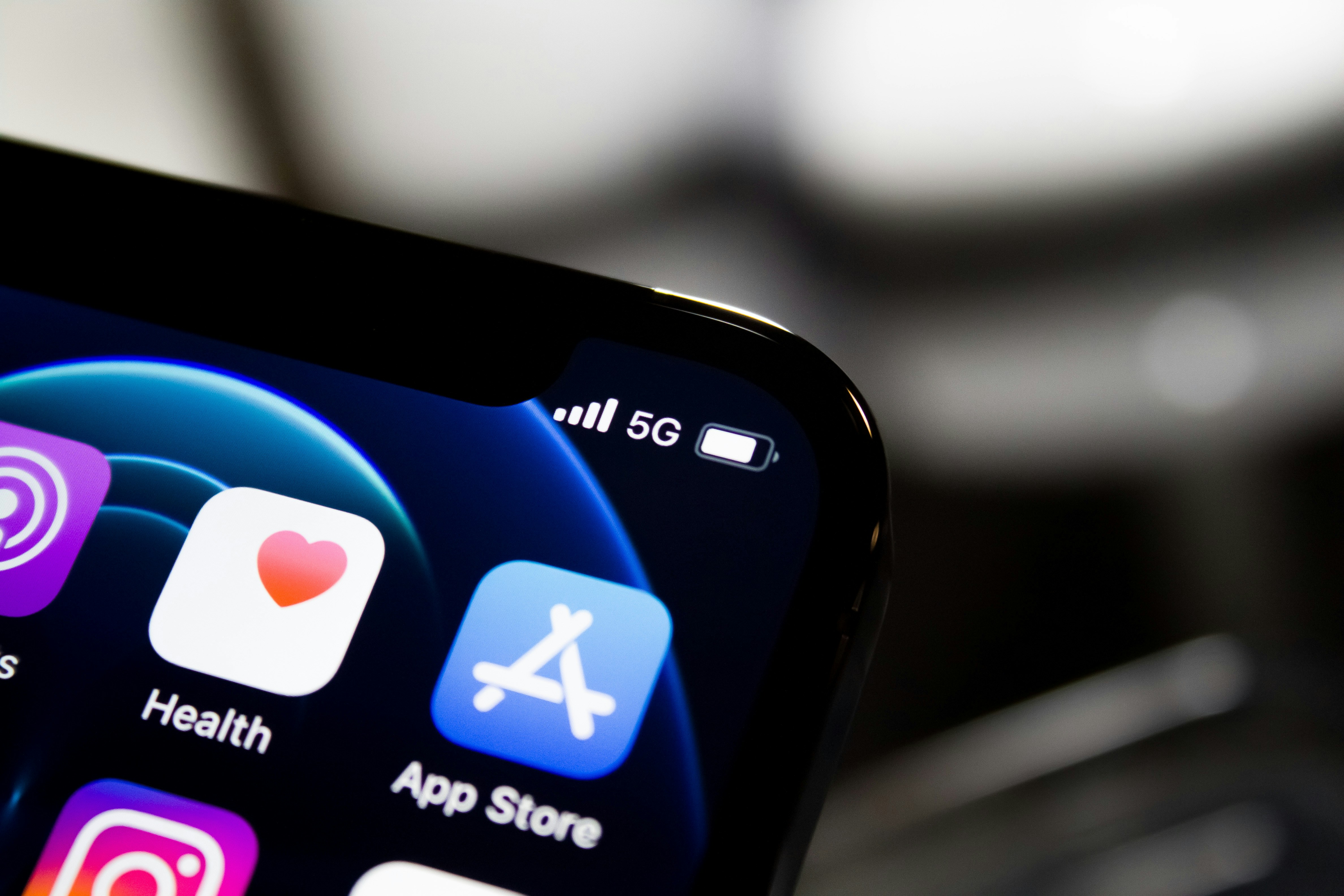
5G is the fifth generation of mobile networks, succeeding 4G. In simple terms, it is a faster and more advanced type of internet connection for phones and other devices. It enables quicker data transmission, reduces delays, and supports a large number of connected devices such as smartphones, sensors, and machines, at the same time.
Why 5G Matters in Event Management
Did you know that global investment in 5G has already reached $14.48 billion? Backed by power players like the European Investment Bank, Amazon, and NGP Capital, this 2025 figure signals more than just technological progress; it marks a shift in how industries are redefining user experience.
For event management, this matters more than it might seem at first glance. Events today rely heavily on real-time coordination, fast data exchange, and uninterrupted connectivity. As expectations rise, 5G is becoming less of an upgrade and more of a baseline requirement.
Keep reading as we explore four reasons why 5G is shaping the future of events.
1. Faster Event Experiences
As virtual and hybrid events take center stage, the expectation has quietly shifted: the experience should feel effortless, almost invisible. That’s where 5G steps in.
With speeds reaching up to 1,000 times faster than 4G/LTE, 5G transforms the rhythm of an event. Livestreams flow without interruption, audiences tune in from anywhere without missing a moment, and immersive elements like AR and VR begin to feel less like novelties and more like natural extensions of the experience. Even in packed venues, attendees can experience real-time updates, social sharing, and personalized features without the usual friction.
2. Real-Time Communication and Lower Latency
Here’s something worth paying attention to: 88% of IT decision-makers say low latency is one of the most important qualities in a network. That makes sense, especially in events where timing and coordination matter.
Delays in event communication can disrupt coordination, slow response times, and increase risk during live execution. 5G addresses this challenge by delivering significantly lower latency and more reliable connectivity. Data transmission becomes near-instant, enabling real-time communication across event teams, security personnel, and digital systems. The outcome is improved operational control. Faster coordination, clearer communication, and more responsive decision-making, especially in situations where speed and accuracy are essential.
Want to improve communication with event staff? Here’s a comprehensive guide for you.
3. Improved Event Security and Safety
When we talk about event safety, network speed isn’t usually the first thing that comes to mind, but it should be. 5G makes it possible to collect and process large amounts of data that can be relevant to staff and attendee safety almost instantly. For security teams, that changes everything. They can monitor situations in real time, spot potential issues earlier, and respond faster. It also improves communication on the ground. Staff and attendees can quickly request help, and response teams can coordinate more efficiently. If a situation escalates, reaching out to external responders becomes much faster, too.
Make sure your team is always prepared for emergencies through training. Find out more details here.
4. Stronger Support for Large-Scale Events
Even without an event management background, one truth feels intuitive: the bigger the event, the heavier the data flow. More guests mean more information to capture, share, and interpret in real time. This is where 5G steps in with quiet confidence. With its expanded bandwidth and broader coverage, it allows large-scale gatherings, from sprawling festivals to high-profile conventions, to sustain thousands of simultaneous connections without missing a beat. The result is a seamless digital rhythm, where streaming, ticketing, communication, and live systems move effortlessly together.
What Is Edge Computing?
Edge computing is a way of handling data closer to where it’s created, like on devices, nearby servers, or local systems.
Most events today still rely on centralized cloud infrastructure, and for good reason. It’s scalable, organized, and great at handling large amounts of data from different locations. But there’s a catch. When everything has to travel to distant servers and back, even small delays can add up, especially during live events. Edge computing addresses this gap by processing time-sensitive data closer to the source, directly at the venue. By minimizing the need for round-trip data transmission to remote servers, organizations can significantly reduce delays and enable faster, more reliable real-time decision-making during live events.
Why Edge Computing Matters in Event Management
Edge computing is shaping the future of events, and getting familiar with it now can give you a real advantage. It’s not just about speed, but about creating smoother, more responsive experiences for everyone involved. Let’s break down why edge computing matters in event management and how it’s changing the game below.
1. Faster Real-Time Decision Making
There’s a quiet shift happening behind the scenes of our most seamless experiences. Early research shows that edge computing significantly reduces latency and improves efficiency by processing data closer to its source instead of relying entirely on centralized cloud systems. At events, this translates into something almost invisible but deeply felt. With edge computing, data is processed right at the venue, no waiting, no bottlenecks. Entry approvals happen in a blink, crowd surges are managed in real time, and security responses trigger exactly when needed. So, for moments like unexpected crowd surges, last-minute gate changes, or security alerts, everything continues to flow with ease, even in the most high-energy environments.
2. Reduced Latency for Better Attendee Experience
Attendee experience carries more weight than most people realize in event management. If it breaks, everything else tends to follow. Edge computing helps prevent that. Instead of relying on distant servers, it processes data closer to the event itself. That reduces the back-and-forth time normally needed to get a response. The impact is faster check-ins, more responsive event apps, and real-time updates that actually feel real-time.
Want to elevate attendee experience? Use personalization. It makes every moment feel intentional! Full details here.
3. Improved Reliability Even With Weak Internet
Local systems with edge computing power can continue working even if cloud connectivity is slow or interrupted. This is because data processing happens closer to the operational environment at the edge, reducing reliance on centralized cloud infrastructure. Consequently, mission-critical event operations such as ticket validation, security screening, and real-time crowd monitoring remain functional on-site. The result is greater operational resilience and reduced risk of system downtime during high-impact event periods.
4. Smarter Crowd Management and Safety Monitoring
Edge computing plays an important role in modern crowd management and safety monitoring systems. It works by allowing cameras and sensors to process data locally or near the source instead of relying only on distant cloud servers. This reduces latency and enables faster detection of crowd conditions such as congestion, unusual movement patterns, or early warning signs of risk. As a result, event teams can receive real-time alerts and respond more quickly, helping prevent small issues from escalating into safety incidents.
5. More Efficient Use of System Resources
When managing large-scale events, optimizing resources is essential. Edge computing helps achieve this by splitting workloads between local systems and the cloud instead of relying on a single centralized system. In practice, this means that real-time, high-demand tasks are processed locally at the edge, while longer-term storage and analysis are handled in the cloud. This division of labor reduces strain on infrastructure, improves response times, and allows event systems to scale more efficiently without becoming overloaded.
How Is 5G and Edge Computing Changing Real-Time Event Management?
5G and edge computing make real-time event management faster, more responsive, and more reliable.
With 5G, events can support thousands of devices, live streams, and apps at the same time without slowing down. Edge computing processes data on-site instead of relying on distant servers, which removes delays. Together, they enable instant actions like faster check-ins, real-time crowd monitoring, smoother team coordination, and quicker emergency responses.
Overall, events shift from reacting to problems to responding in real time as they happen, making operations smoother and experiences more seamless for everyone.
Improve Real-Time Event Management With StaffConnect
You can invest in powerful 5G and edge computing, but without the right system to connect everything, it doesn’t reach its full potential. StaffConnect is built to make real-time event operations more efficient than ever.
StaffConnect pulls staff, attendees, schedules, and live data into one system that updates instantly as things happen on-site. It boasts a GPS check-in/out that sends real-time data on staff attendance and no-shows. It is also packed with data gathering and analysis tools for tracking performance, attendance trends, and on-site operational efficiency. Not to mention, a full suite of communication tools from live chat to SMS to make sure teams stay aligned and updated in real time throughout the event. There are also automated reminders for shifts, schedule changes, and important event updates. Other important features include a custom mobile app and domain, centralized database, payroll management, app integration, and more. Book your free demo today to learn more!


Ready To Get Started? Book A Demo Today
StaffConnect offers everything you need to manage and operate your staff, shifts, payroll, communication and more. Let's level up your business today.
