
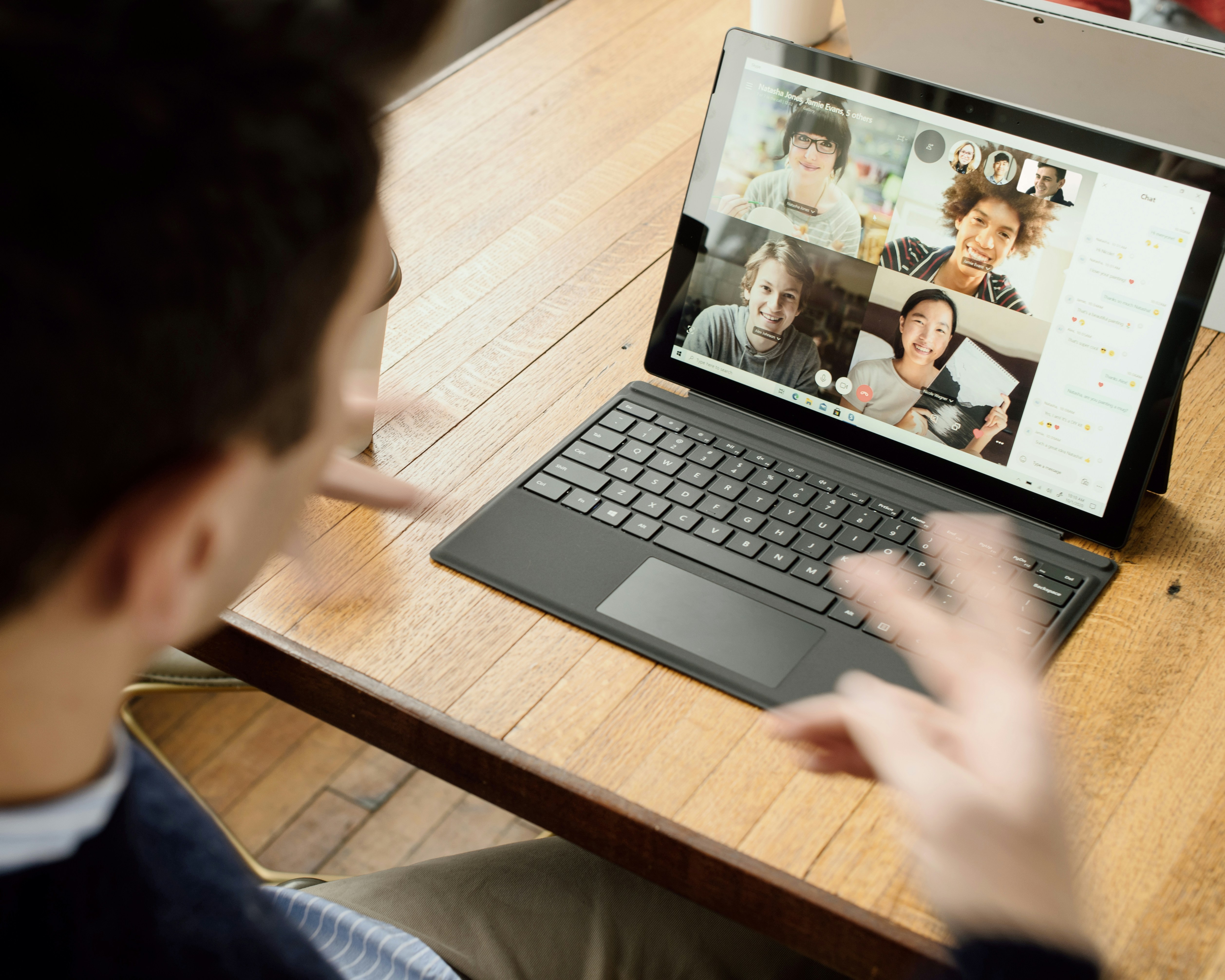
Webinar Management Made Easy: A Step-by-Step Handbook

Webinars are quickly becoming mainstream, and they’re proving to be a high-performing tool for thought leadership, authority-building, and business growth. And no, it’s not just hearsay. A recent report shows that webinars rank in the top three most effective thought leadership channels, alongside LinkedIn and email newsletters. Another report highlights that among the 65% of marketers who hosted webinars over the last 12 months, 95% regarded them as either essential to their strategy or their favorite type of content.
A webinar is an interactive online event, such as a workshop, presentation, or meeting, where attendees join remotely. It might look simple, but organizing one takes as much effort as any major event. That’s why we’re presenting this webinar management handbook to help you plan, manage, and follow up successfully. Let’s get started right away!
Webinar Management Handbook
Planning a successful webinar begins well before it goes live, and the work doesn’t stop afterward. Keep reading as we walk you through every step to ensure your webinar succeeds from start to finish.
1. Define Your Objectives
Defining your objectives is the first and most important step in planning a webinar. It is about knowing exactly what you want to achieve, whether it is generating leads, building thought leadership, educating your audience, or driving sales. Clear objectives give your webinar direction, inform your content, and help you measure success later.
To define your webinar objectives, start by asking: What is the main takeaway for attendees? What action do you want them to take after the session? Keep your goals specific, measurable, and realistic, and use them as a guide for every decision, from choosing topics and speakers to designing promotion and follow-up.
2. Build a Reliable Webinar Crew
A webinar crew is made up of essential team members who manage every part of your webinar, from preparation to delivery and post-event tasks. With the right people on board, your webinar runs seamlessly.
Creating a strong event team begins with identifying the key roles you need, such as a host or moderator, tech support, content manager, and marketing lead. Next, post job openings or ask for recommendations, screen candidates, and onboard your team. After that, assign responsibilities, set clear timelines, and establish communication channels so everyone knows their tasks before, during, and after the webinar.
Want tips on hiring event staff and creating a reliable talent pool? Check out this post.
3. Know Your Audience
Knowing your audience is the foundation of any successful webinar. Understanding who you are speaking to helps you tailor your content, tone, and examples so they truly resonate and keep attendees engaged from start to finish.
Understanding your event audience is not just about demographics; you have to think about your audience’s pain points, goals, and what questions they are likely to have. Gather insights from surveys, past events, social media, and customer data. Then, segment your audience into groups with shared interests or challenges and use those insights to shape your topic, presentation style, and even the timing of your webinar.
4. Create Engaging Content
Did you know that webinars with polls and Q&A see 30% higher engagement? This is just one example of how your event content can directly impact audience participation.
Event content is the material you create and share, such as presentations, polls, Q&A, and resources, to engage and inform your audience during a webinar. Strong event content keeps attendees focused and delivers value, while weak content leads to low engagement and missed business goals.
To craft high-impact event content, first define your event, goals, and audience. Understand each event stage and the content it needs. Then, choose your topic and use visuals and storytelling to make your message engaging and memorable.
Want to create engaging content for your webinar? This event content guide has you covered!
5. Choose the Right Platform
Your webinar platform shapes the audience experience. It’s the software you use to host, manage, and run webinars. Today, there are countless webinar platforms, but popularity doesn’t always equal fit.
Every webinar is different, and your needs may vary. Choose the best platform for you by first defining your goals, audience size, and must-have features. After that, compare trusted platforms for usability, engagement tools, analytics, and pricing. Finally, test your top choices to ensure they deliver the experience you want your attendees to have.
6. Promote Your Webinar Effectively
Getting the right people to know about your event, care about it, and sign up is just as important as creating the webinar itself. Skipping this step can result in poor engagement and missed opportunities.
Kick off your webinar promotion with a value proposition that grabs attention. Push it across your strongest channels: email, social media, website, partners, and speaker platforms. Make messages punchy, highlight the benefits, include a bold call to action, and start early to maximize reach.
7. Keep Attendees Engaged During the Event
Keeping attendees engaged during your webinar is crucial. Failing to keep your audience engaged means attention fades, attendees disconnect, and your goals take a hit.
Webinar engagement can be tricky since everyone is on a screen, so preparation is crucial. Along with interactive content like polls and Q&A, use clear, visually appealing slides, vary your pacing, and acknowledge your audience throughout. Consider adding surprises if engagement starts to drop.
Elevate audience engagement at your events with these 8 essential tips.
8. Analyze Attendance and Engagement Metrics
After the webinar, make sure to analyze attendance and engagement metrics. This shows whether your content connected, which moments grabbed attention, and what can be improved for next time. Start analyzing attendance and engagement by checking your platform’s reports, monitoring interactive elements like polls and Q&A, and spotting trends in drop-off rates.
9. Follow Up on Leads
Leads are individuals or organizations who have shown interest in your product, service, or content by providing contact information like an email, phone number, or social profile. They represent possible customers who can be nurtured after your webinar.
Send a personalized thank-you email with the recording or key takeaways to your leads. Then segment your audience by engagement and deliver targeted content or offers that match their interests. This adds value, nurtures relationships, and guides attendees toward the next step, making your webinar results measurable.
10. Collect Feedback
Collecting feedback after a webinar is essential for improvement. It shows what worked, what didn’t, and where changes are needed to make future sessions more effective.
Send a brief survey immediately after the webinar, asking attendees about their experience, favorite parts, and suggestions. Analyze responses to identify patterns and use the insights to refine your content, presentation style, and interactive elements for stronger engagement next time.
Take Your Webinar Planning to the Next Level With StaffConnect
Looking for smarter ways to level up your webinar management? You’re in the right place.
Meet StaffConnect, your all-in-one event management platform built to simplify every aspect of webinar management. Streamline staff registration for fast onboarding, schedule tasks to ensure every role is covered, and use built-in communication tools to keep your team aligned before, during, and after the webinar. StaffConnect also provides a customizable survey builder to gather attendee feedback and payroll management to simplify staff payments. On top of that, StaffConnect offers more features that save money, improve efficiency, and make webinar planning and execution effortless. Book your free demo today to learn more!


Ready To Get Started? Book A Demo Today
StaffConnect offers everything you need to manage and operate your staff, shifts, payroll, communication and more. Let's level up your business today.
